

Emma Davis



What Is Medical Detox for Alcohol?
Alcohol refers to the most commonly used substance in the United States. Men and women struggle almost equally with alcohol use disorder (AUD). Its treatment differs depending on the severity of addiction. However, every treatment plan begins with one important stage called alcohol detoxification. In this guide, we will explore all the ins and outs of the medical detox. We will focus on how it happens, what to expect, and what the differences are between home and rehab-conducted procedures. What Is Medical Detox for AUD Medical detox is a protocol-based and supervised process that helps people safely withdraw from alcohol
 February 24, 2026
How Long is Rehab for Drug or Alcohol Addiction?
Almost the first question people ask about recovery is: “How long is rehab?” It’s a reasonable concern as treatment requires time away from work and family. But the truth is that there’s no single answer. The timeline of recovery is difficult to forecast because it doesn’t follow a fixed schedule. In this blog post, we will discuss average rehab durations and what factors influence how long does rehab lasts. Our aim is to prepare individuals and families for a realistic path toward sobriety. Understanding the Real Goals of Rehabilitation Before asking how long is rehab, it’s important to realize what
February 17, 2026 
How to Deal With an Alcoholic Spouse?
Alcoholism is an issue that affects not only the drinking individual but their families as well. There is a common situation when one partner is drowning from alcohol use disorder (AUD) while the second suffers from co-dependency, trying to rescue the loved one at the cost of their security and future. When the couple faces alcohol-related problems, both spouses need help. However, this help is absolutely different. In this guide, we will explain how to deal with an alcoholic spouse in a healthy way. Living with an alcoholic could become only a short period in your marriage if both of
February 13, 2026 
The Signs of a “Social Drinker” and a Drinking Problem
Alcohol occupies a controversial place in modern life. It’s both a social link and an imminent danger. Most people consider it a social norm: a drink in hand means participation, relaxation, and belonging. This is the essence of a social drinker phenomenon, when you consume alcohol occasionally and primarily in company. Yet, the boundary between harmless enjoyment and emerging dependency isn’t always obvious. In this article, we’ll discuss what defines social drinking and how to see the line between casual consumption and potential disorder. What Is a Social Drinker? It is a person who drinks alcohol during important events or
February 06, 2026 
What is Dry Drunk Syndrome?
How will you understand that you have reached sobriety? Ex-drinkers say overcoming the urge to alcohol is only the first part of the way to sobriety. Many individuals who quit alcohol find themselves struggling emotionally and mentally despite a zero ethanol rate in their blood. They’re sober, yet something still feels off. This state is what professionals call dry drunk syndrome. Being “dry” means abstaining from alcohol without achieving the deeper emotional healing needed for long-term recovery. The physical act of refusing to booze is the initial layer of transformation. Then, you have to go through the stage of active
January 26, 2026 
The Relationship Between Women and Alcohol And Its Health Impact
Today’s cultural trends are prone to glamorizing women and alcohol. Alcoholic beverages are often shown as an attribute of social rituals and relaxation. A glass of wine in the bath, champagne at celebrations, or exotic cocktails at the bachelorette party — these moments promote connection or reward. Yet behind that sense of normalcy is hidden the reality of what happens with the woman’s body as it reacts to booze differently from men. This difference is rooted in biology and physiology, shaping how alcohol interacts with the female body and mind. Our article explains the essence you should know about what
January 23, 2026 
What Is Alcohol Intolerance and How to Manage It?
If you feel bad after drinking alcohol, it is usually explained by exceeding the dose, hangovers, or a poor mix of drinks. It is partially true for most people. But for some, things are different. Sometimes, a single glass of wine causes vomiting or a headache that is hard to explain, because the concentration of alcohol in the system is too small to get drunk. Most likely, it’s alcohol intolerance, a state that explains the specific issues with metabolizing ethanol. Keep reading our guide to learn more about this phenomenon and how it differs from alcohol allergy. Explaining Alcohol Intolerance
January 20, 2026 
Safe and Effective Ways to Sober Up Quickly
You probably have heard one of the versions of the advice on how to sober up fast: take a contrast shower or eat something fatty, and you’ll feel sober in no time. It’s promising to believe in the quickest way to sober up, especially when responsibilities are waiting the next day. However, it is impossible to deceive the physiology. While you can try tips from the internet to feel better, time remains the only real solution. We prepared this guide to bust popular myths about how to sober up fast and explain what to do to get your head clear.
January 13, 2026 
How To Help Someone Get Into Rehab: A Guide for Families
Watching how someone close to you ruins their life due to addiction is a painful experience. Endless worrying makes families feel powerless because they’re afraid of making things worse. They sincerely want to help but don’t know what to say to eliminate the outbursts of anger and denial, or how to get someone into rehab. Our guide makes the situation clearer. Recognizing the indications of addiction and understanding how to start a conversation to sound convincing, you will help a family member not to dig deeper into dependency and overcome the problem. Detecting the Signs That Help Is Needed Addiction
January 08, 2026 
Cognitive Behavioral Therapy for Substance Use Disorders and Addiction
Imagine someone who’s been sober for a few months, but suddenly, after a difficult day at work, something is breaking inside. Old thoughts creep in that one drink is not a problem, it is a way to calm down and regain control in stressful situations. In such situations, the risk of relapse is very high, and Cognitive Behavioral Therapy (CBT) is able to help you. Below, we will discover the core concepts of this kind of therapy and how the sessions are conducted. What is Cognitive Behavioral Therapy CBT therapy is an evidence-based form of psychotherapy. Its aim is to
January 06, 2026 
Substance Abuse in Older Adults: A Hidden Problem
When people talk of substance misuse, they rarely picture retirees or grandparents. Unfortunately, statistics show it doesn’t have any age limits, but it has specific features that differ depending on the age of the individual. Behind closed doors, however, a large number of adults in their later years silently struggle with dependence on alcohol or prescription medications without asking for aid. As loss, loneliness, or illnesses enter one’s life, the line between medical use and misuse can blur. This guide will shed some light on the problem of substance abuse in older adults and how it differs from that of
December 29, 2025 
What are the Most Addictive Drugs
Substance use disorder (SUD) is seen as one of the major afflictions of modern society. More than 35 million people worldwide suffer from problems with drugs and alcohol. Addiction affects people of all ages and backgrounds. It ruins families and even promising careers across the globe. The peril lies in how substances affect brain chemistry. They initiate a cycle of craving and loss of control, which grows into dependency. This state is difficult to escape without medical help. In this article, we’ll overview the five most addictive drugs and why they’re so dangerous. What Makes a Drug Addictive First, we
December 24, 2025 
Importance of Self-Care in Addiction Recovery for Well-Being
For individuals with substance use disorder, or simply SUD, starting rehabilitation is the first step to rebuilding their lives. One of the most overlooked tools in this process is self-care in recovery. Typically, people associate personal care with simple acts like eating well or getting enough rest, but for those in recovery, it means much more. It becomes a daily commitment to healing and restoring self-respect that was previously ignored. In this article, we’ll explore the difference between normal and recovery-focused self-care. Also, we will share an example of a self-care routine you can adjust and use. Differences Between Normal
December 19, 2025 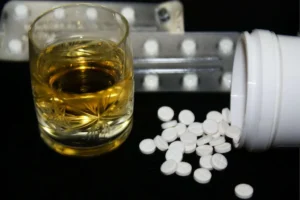
The Dangers of Mixing Prescription Drugs with Alcohol
Today, one in four patients in the emergency room is admitted with side effects caused by mixing prescription drugs and alcohol. Such experiments are not as harmless as many think. A glass of wine while taking painkillers or a cocktail during antibiotic therapy leads to unpredictable results. If you’re wondering: Why is it dangerous to mix prescriptions with alcohol? Read our article to know what happens to you when drugs react with alcoholic beverages and how to secure yourself if you’re taking any doctor-prescribed pills. What Mixing Prescription Drugs and Alcohol Does to Your Body During treatment, your organism is
December 16, 2025 
What Is Post-Acute Withdrawal Syndrome (PAWS)?
When you quit substances, your brain initiates numerous internal processes. It needs time to get rid of toxins and to adjust to living without the negative pressure. The first process you face is withdrawal. It is the body’s instant reaction to the absence of the substance, accompanied by specific physical and emotional symptoms. One of them is post-acute withdrawal syndrome. It can appear suddenly, even after weeks of stability. Despite its discouraging character, it is a natural period of your healing. Keep reading to learn more about PAWS and how long it lasts. Explaining the Post-Acute Withdrawal Syndrome The abstinence
December 02, 2025