

What Is Cannabis Use Disorder?
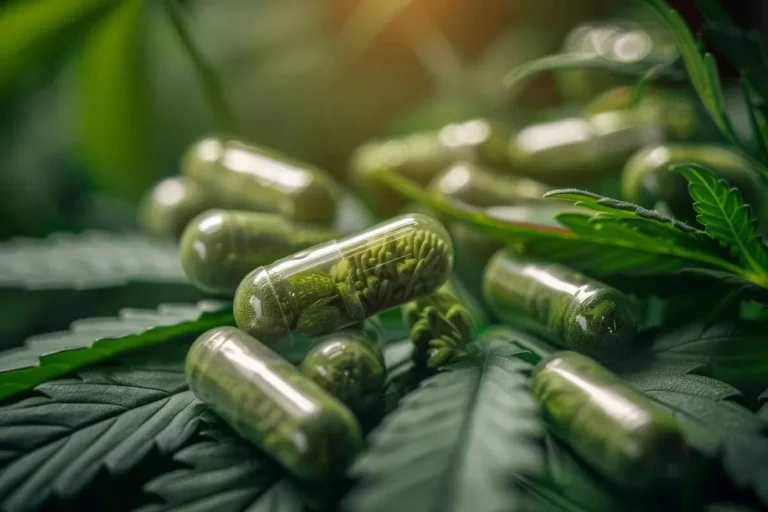
Marijuana (weed or cannabis) is a herb known for its mind-altering effects. It can be smoked, vaporized, eaten in edibles, or applied in oils and tinctures. Today, its popularity is growing thanks to prescriptions by doctors for recreational purposes. Every 3 people out of 10 using this drug in one way or another have cannabis use disorder, or simply CUD.
Marijuana is not as harmless as most believe, and can cause serious medical problems, including addiction and cognitive issues. In this guide, we will clarify the distinctions between CUD and addiction and describe the main marijuana addiction treatment methods.
Cannabis Casual Use, Use Disorder, and Addiction
Today, marijuana is more and more seen as a therapeutic substance. Its active compounds—tetrahydrocannabinol (THC) and cannabidiol (CBD)—are prescribed to lower chronic pain, ease muscle spasms, and improve appetite during chemotherapy. Medical application demands careful oversight to avoid overdosing and unwanted side effects.
Despite official legalization in some states and countries, weed is still a chemical that affects the brain and body. When taking the drug, it is recommended to distinguish casual use, cannabis use disorder, and addiction. Tracking your doses and frequency allows you to spot the moment when it starts causing harm and requires intervention. In short:
- Casual use is occasional and controlled.
- CUD refers to regular intake that causes noticeable problems.
- Addiction means a compulsive use despite serious negative consequences.
Cannabis casual use means using it about 1–3 times a month, without affecting daily life. People can intake it to relax without any cravings. Cannabis use disorder happens when use becomes more frequent, several times a week or daily, and starts causing problems with work, relationships, or emotions. At its worst, marijuana addiction takes over daily life, making it hard to stop. Attempts to quit typically trigger strong marijuana withdrawal symptoms and demand medical treatment.

Begin your journey to recovery and take back control of your future.
Myths About Cannabis Effects
Marijuana is frequently perceived as harmless, especially in regions where it is legal and easy to buy. The free sale creates specific myths that may put users at risk and accelerate the progression of cannabis use disorder.
Myth 1: “It is not addictive.” Mistakenly, weed is considered less physically addictive than alcohol or opioids. Its regular intake, in fact, might lead to misuse. People with CUD experience strong cravings, tolerance, and abstinence symptoms. They cannot stop despite the negative effects on their body without medical assistance.
Myth 2: “It doesn’t impair driving or coordination.” Cannabis euphoria clouds minds, slows reaction time and concentration, and significantly increases the risk of accidents. Driving or operating heavy machinery under the influence of marijuana is unsafe and, in many areas, illegal.
Myth 3: “Because it’s natural and legal, marijuana is completely safe.” Legal status or natural origin does not guarantee safety. Modern cannabis-containing products are rich in THC, which can intensify psychoactive effects and increase the likelihood of cannabis use disorder and health complications.
Myth 4: “Secondhand marijuana smoke is not harmful.” On the contrary, secondhand marijuana smoke is as dangerous as tobacco. It contains THC, toxic chemicals, and fine particles. When non-smokers breathe in marijuana fumes regularly, they can face respiratory irritation, increased heart rate, and even psychoactive effects. Believing that passive marijuana smoke is safe is a mistake, as it will cause serious health issues. Children, pregnant women, and individuals with respiratory conditions must avoid places with a lot of weed vapes.
Who Is at Risk of Developing a Cannabis Use Disorder?
Not everyone who smokes weed becomes addicted. Only 9% of people who try marijuana have CUD. But the risk increases to 17% if you start in adolescence and 25–50% if you intake it seven days a week.
There are certain groups of people who are more susceptible to cannabis use disorder. For example, teens and young adults are at greater risk because their brains are still developing. Early use rises the likelihood of dependence and long-term cognitive or emotional effects.
Daily users are also at risk, regardless of the reasons for usage. Even if they have to take medical marijuana. Because frequent consumption can cause tolerance and difficulties with self-control, all of which increase the chance of developing CUD.
People with mental health conditions, like panic attacks or depression, have to be careful as well. Sometimes, they take cannabis to self-medicate, which can unintentionally foster dependence. Additionally, individuals with a family history of drug addiction are more prone to cannabis use disorder due to both genetic and environmental reasons.

Cannabis Use Disorder Symptoms
The first signs of marijuana addiction arise when you shift from occasional to regular weekly or near-daily use. Most people don’t even realize that they have a progressing dependency. To sidestep the escalation of the problem, pay attention to:
- Cravings. A strong and uncontrolled urge to intake cannabis.
- Tolerance. When you need to double the dose to achieve the same effect.
- Abstinence symptoms. Irritability, sleep problems, loss of appetite, or anxiety when stopping use.
- Loss of control. Consuming more than intended or struggling to cut down.
- Continued use despite harm. Ignoring negative effects on physical or mental health.
Clinically, cannabis use disorder is diagnosed when these behaviors and psychological patterns persist for at least a year and significantly affect a person’s daily life. The disorder can range from mild to severe, depending on how many symptoms are present and how strongly they impact one’s life.
Treatment Options for Cannabis Use Disorder
Overcoming CUD required more than just willpower. Professional medical and psychological assistance, accompanied by time-tested protocols, greatly simplifies and navigates your recovery process. First, individuals have to undergo full detoxification to remove the toxins from the body. The second step is overcoming withdrawal symptoms. When the physical condition is stabilized, then it is time for structured therapy.
Behavioral Therapy
Cognitive Behavioral Therapy (CBT) is the basic method of treating SUD, including cannabis use disorder. It aims to help addicts identify which thoughts and triggers lead to such issues. During 8–16 weeks, one should visit scheduled sessions. Each of them lasts 45–60 minutes. The number of sessions per week depends on the case. The goal of therapy is to change harmful behavior patterns by uncovering reactions that sustain them.
During CBT sessions, clients learn to recognize the connection between stress, emotions, and their urge to consume cannabis. There are a variety of instruments and approaches that therapists suggest practicing. Role-playing, functional analysis, and homework assignments are among the most effective. For many, enrolling in a rehab for weed program is a chance to understand their own personality and break the addiction cycle.
Motivational Enhancement Therapy
MET is typically shorter than CBT. The course lasts for 4–8 weeks. Three to six sessions are usually enough to achieve the pre-planned goals. This kind of therapy focuses on exploring motivation. In sessions, individuals will discover why they want to stop, what stands in their way, and how they can move forward. It is a gentle approach that encourages honest self-reflection and awareness of the personal reasons for change.
Therapy starts with assessment meetings and setting goals. Most of the time is spent on exploring the ambivalence to quit or continue to intake substances, paying attention to the hidden benefits of CUD. Then, they enter the stage of finding motivation and alternative benefits to get the desired perks. To guide the process, therapists adopt reflective listening, decisional balance worksheets, and motivational interviewing techniques. All these empower clients with dual diagnosis to explore how cannabis affects their lives, health, and ambitions.
Support Groups and Peer Programs
Visiting support groups or peer-based programs is mandatory during outpatient treatment. Still, they widely vary. Groups such as Marijuana Anonymous, SMART Recovery, and Mar-Anon are based on a 12-step framework. You can choose the one that fits your schedule or lifestyle. Such peer networks create a nonjudgmental space where individuals with substance abuse issues share their experiences, challenges, and achievements.
Most programs offer weekly or biweekly meetings, each lasting 60 to 90 minutes. Some of them even offer online meetings. Participation is voluntary and ongoing. You can attend such groups for months or years.
Peer programs differ from CBT and MET in that they involve active communication and interaction with other people. It is not individual sessions. Hearing others’ stories inspires hope and motivates to break isolation. Here, you can find new friends and sincere support.

Recovering is a long and challenging process, but you don’t have to be alone. We are here to guide you and offer a safe and substance-free environment to regain control of your life and create a new path for your future.
Final Thoughts
Cannabis use disorder can unnoticeably take control of your life. It affects mood, grabs attention, and harms health. Recognizing the signs early allows you to avoid the severe consequences and long treatment terms. Full recovery requires time, guidance, and inner strength. After obligatory therapy, you will need a safe environment to heal without triggers.
Eco Sober offers you a comfortable, substance-free sober living setting where you can rent a room and live during a transition period, strengthening your sobriety. Being a part of a community motivates you to develop routines, cope with stress, and bolster your commitment to battle the addiction. We are open to everyone.

About Author