

The Signs of a “Social Drinker” and a Drinking Problem
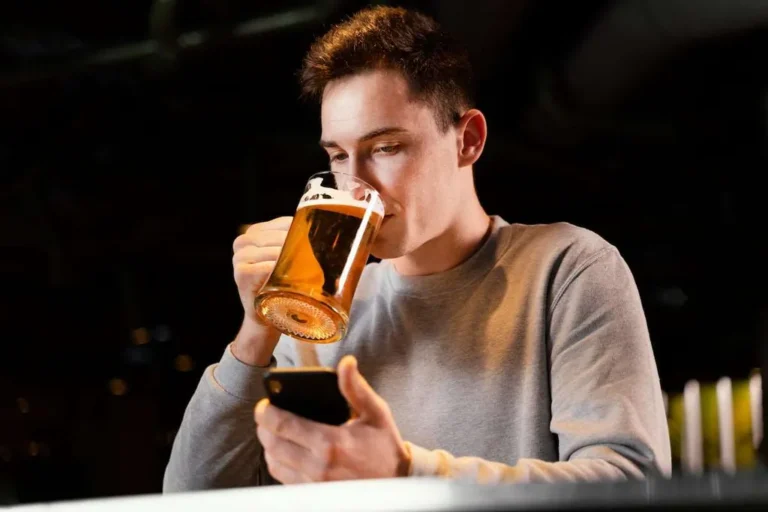
Alcohol occupies a controversial place in modern life. It’s both a social link and an imminent danger. Most people consider it a social norm: a drink in hand means participation, relaxation, and belonging. This is the essence of a social drinker phenomenon, when you consume alcohol occasionally and primarily in company. Yet, the boundary between harmless enjoyment and emerging dependency isn’t always obvious. In this article, we’ll discuss what defines social drinking and how to see the line between casual consumption and potential disorder.
What Is a Social Drinker?
It is a person who drinks alcohol during important events or friendly get-togethers. Their behavior is driven by the desire to enjoy and connect with others, rather than to suppress emotions or calm down.
Such individuals totally differ from binge drinkers, as they enjoy a few drinks, stop without difficulty, and may go weeks without alcohol. That is why social drinkers don’t experience withdrawal processes. Their priority is a taste of beverages and the sense behind the rituals. As you can see, their relationship with alcohol is situational.

Begin your journey to recovery and take back control of your future.
Common Habits of Social Drinkers
Most social drinkers share a set of common behaviors. They are the following:
- Occasion and time matter. A social drinker will agree to have wine at a dinner or cocktails at a wedding, but it is unacceptable for them to drink alone or during the week without occasion.
- Limiting the dose, such as a few drinks per event. They easily stop after 1–2 drinks, tracking their threshold and not letting go of control to avoid poor decisions and severe intoxication.
- Viewing alcohol as a social enhancer. The only purpose is to enjoy the company. Booze serves as an accessory to communication, not as a prerequisite.
The socially drinking meaning centers on getting pleasure from spending a good time rather than feeling inebriated. When social drinking turns into solitary drinking, it’s natural to ask: Is drinking alone a sign of alcoholism or simply a coping mechanism that requires external intervention? Monitor your behavior to prevent the problem from escalating.
The Line Between Social and Problem Drinking
The transition from social to heavy drinking doesn’t happen quickly. It’s a phased process, driven by subtle changes in motivation and frequency. When “just weekends” becomes “after work,” the intent and behavior change. Alcohol ceases to be occasional and becomes a self-soothing tool. Society often rewards participation in drinking rituals. Refusing a drink can be seen as antisocial. Stressors (e.g., breakups, deadlines at work, or isolation) might also worsen the situation and push you lose control.
The first warning signs that you’ve crossed the line include:
- Needing alcohol to feel comfortable or confident in groups.
- Relying on booze when you want to relax.
- Feeling guilty or defensive about consumption.
- Having trouble saying no when others are drinking.
- Regretting behavior or decisions made while drinking.
At the initial stage, the individual may still appear functional and handle all responsibilities. However, the relationship with alcohol has moved from social enjoyment to alcohol use disorder (AUD) or growing addiction. Experts frequently note that the answer to can an alcoholic become a social drinker is no, because even small amounts of alcohol can reignite dependency.

Risks Associated with Social Drinking
Unfortunately, our bodies do not distinguish the purpose behind your behavior. The effects of ethanol will be the same regardless of your motives. Moderate but regular doses impact sleeping quality, liver function, and metabolism. Alcohol disrupts REM sleep and is able to worsen fatigue and increase inflammation.
The situation when a couple of drinks on weekends subtly transform into alcohol addiction is not as rare as you might think. It is common enough that when a social drinker who believes they need a drink to enjoy the party begins to utilize alcohol as a tool for self-worth. This mindset slowly grows into emotional dependency, and parties without wine or whiskey feel senseless to visit.
Alcohol lowers self-control. When inebriated, individuals tend to make impulsive decisions. Saying something offensive or participating in conflicts that wouldn’t occur if you were sober are also common situations. Over time, such incidents can damage relationships and reputation, especially in professional settings where it is critical not to violate the norms of behavior.
The idea that moderate alcohol consumption protects cardiovascular health is a myth. Any regular alcohol consumption carries some level of health risk, including elevated cancer likelihood and neurological decline. The body treats alcohol as a toxin, regardless of intention or frequency.
Tips to Support Healthy Drinking Habits
If you are not able to completely refuse alcohol, do your best to form healthy drinking habits. They are grounded in intention, balance, and boundaries. Follow these tips:
- Set your own limits per evening, week, and month. Define how much and how often you’re comfortable drinking. This could mean drinking just two drinks per occasion or restricting alcohol to weekends only. Social drinkers should establish a standard for themselves to minimize the risk of spontaneous overconsumption or future drinking problems.
- Mix booze with non-alcoholic drinks. Spacing out alcoholic beverages with water or mocktails not only lowers the rate of alcohol in your blood but also motivates more mindful drinking. It allows the body to process alcohol without extra strain and helps control your condition.
- Take regular breaks from drinking. Participate in “Dry January” initiative or alcohol-free weeks to reset both body and mind. Such breaks highlight whether drinking has become habitual. Try to see that enjoyment doesn’t require alcohol.
- Be honest about your motives. Ask yourself why you’ve decided to drink today. If the reason is the party or the business event, it aligns with social intent. If it’s to escape stress, loneliness, or discomfort, that’s a cue for monitoring. Emotional triggers often precede shifts toward binge drinking.
- Surround yourself with people who respect your choices. Communicating with social alcoholics who promote excess drinking or pressure others to participate makes it harder to maintain boundaries.
- Reassess your condition regularly as habits tend to evolve. What was once moderate can unknowingly escalate to a condition requiring addiction treatment in rehab. Social drinkers should oversee frequency, quantity, and emotional motivation to keep their relationship with alcohol under control.
Your goal is to ensure alcohol consumption remains a controlled action in your life rather than an emotional necessity.

Recovering is a long and challenging process, but you don’t have to be alone. We are here to guide you and offer a safe and substance-free environment to regain control of your life and create a new path for your future.
Rethink Your Relationships with Alcohol
In its healthiest form, social drinking is an act of connection. If not, it can become a problem when the purpose shifts from communication to numbing emotions or calming down.
The difference between an occasional drinker vs social drinker vs binge drinker lies in the intention behind them. To stay in control, you need consciousness to recognize when a harmless ritual begins to escalate. Being a balanced drinker means understanding your relationship with alcohol and maintaining control over it.
Eco Sober promotes awareness. We create a setting where individuals can live and rebuild confidence and a healthy sense of connection without relying on alcohol. For anyone reviewing their relationship with alcohol, Eco Sober offers a path toward a sober life, powered by community involvement.

About Author