

What are the Most Addictive Drugs
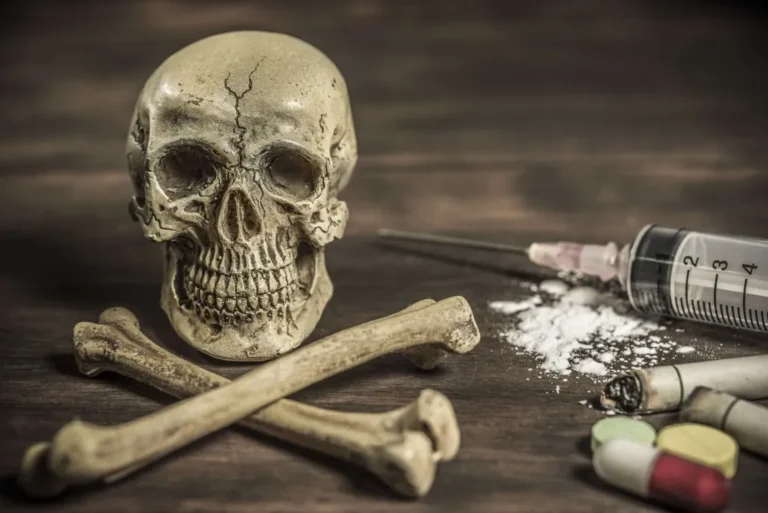
Substance use disorder (SUD) is seen as one of the major afflictions of modern society. More than 35 million people worldwide suffer from problems with drugs and alcohol. Addiction affects people of all ages and backgrounds. It ruins families and even promising careers across the globe. The peril lies in how substances affect brain chemistry. They initiate a cycle of craving and loss of control, which grows into dependency. This state is difficult to escape without medical help. In this article, we’ll overview the five most addictive drugs and why they’re so dangerous.
What Makes a Drug Addictive
First, we should note that many mistakenly believe that addiction appears because someone has a problem with willpower. In reality, it is a disease that is rooted in chemical changes in the brain due to prolonged substance exposure. When someone takes a drug, entering the body, it overstimulates the brain’s reward system and triggers a surge of dopamine levels. They are responsible for feeling pleasure. Such a splash fires a strong sense of euphoria. Then, it forms a stable pattern linking the drug with reward.
Over time, the brain begins to rely on such an artificial way to get pleasure and gradually lowers its natural ability to enjoy everyday activities. This leads to tolerance. In simple terms, you require larger or more frequent doses to achieve the same effect. When the person stops doping, they experience withdrawal symptoms. Their intensity and manifestation vary from mild shaking and sweating to the splash of anxiety, prolonged depression, and irritability.

Begin your journey to recovery and take back control of your future.
Ranking 5 the Most Addictive Drugs
Certain drugs become addictive faster because of their ability to act on the brain and how quickly they reach it. Let’s discover the five most addictive drugs and how they affect our bodies.
Heroin
This chemical tops the list of the most addictive drugs. It needs seconds to reach the brain, triggering an intense surge of euphoria and relaxation. The high caused by heroin is short-lived, and addicts are forced to seek new doses to feel the same one more time. Soon, the CNS stops producing natural endorphins, and when the drug effect finishes, the individual experiences severe withdrawal. Addicts with a fogged mind choose the easiest way to stop torment—take the next dose. The risk of overdose is very high.
The severe form of addiction is associated with:
- Collapsed veins
- Infections
- Organ damage
This one of the most addictive drugs keeps many trapped in a cycle of addiction that’s extremely difficult to break without professional help.
Cocaine
It’s a powerful stimulant. Cocaine creates an intense but short feeling of energy, confidence, and euphoria. Unlike heroin, which stimulates dopamine release, cocaine blocks the brain from clearing it away, leading to an intense rush followed by a sudden crash. The high lasts only a few minutes. Individuals quickly get used to and want to take more and more.
This chemical, on a physical level, causes severe heart problems, strokes, and damage to the nasal tissues when snorted. Its intense effects make cocaine one of the most addictive drugs in the world.
Nicotine
It is a stimulant contained in tobacco and vaping products. Nicotine is also considered one of the most addictive drugs. Almost 23.6 million Americans are dependent on it. Stopping smoking is not so easy.
Nicotine reaches the brain within seconds after inhalation. It initiates the release of dopamine and other neurotransmitters that allow one to feel calm. Tobacco doesn’t produce euphoria, but such a quick relaxation makes smokers smoke a pack of cigarettes a day.
Alcohol
It is one of the most affordable and socially accepted addictive substances. Its effects begin with relaxation and fogging the mind. In small doses, it is relatively safe, yet frequent or heavy binge-drinking can lead to physical dependence. It develops slowly, and you will not even notice it until drinking becomes a daily need.
Physical effects? This one of the most addictive drugs damages nearly every organ in the body, including the liver, heart, brain, and others. It can also lead to depression and short-term memory loss. Because of its free access, alcohol addiction remains one of the most pervasive health challenges worldwide.
Methamphetamine
Meth is an extremely potent stimulant that affects the CNS. It causes an immediate rush of euphoria and energy by triggering an enormous release of dopamine. This splash creates an intense high. In contrast to cocaine euphoria, a meth high can last for hours. Then, suddenly, a deep crash occurs that stimulates individuals to take more.
The repeated cycle of extreme highs and lows causes severe psychological dependence. Addicts strive to prolong such feelings without thinking about consequences. Dependency on methamphetamine develops extremely quickly, sometimes after just a few uses. Among typical signs are:
- Insomnia
- Anxiety
- Aggression
- Hallucinations
- Significant weight loss
- Skin sores
Long-term substance abuse damages the brain and body, impairs memory, judgment, and motor skills. Physical signs like “meth mouth,” premature aging, and dental decay are common. Because of its powerful and lasting impact on brain chemistry, meth is among the most addictive drugs and the hardest substance to quit.

General Addiction Treatment Options
Recovery from most addictive substances takes a long time. In general, all treatment options are limited to a unified system. First goes detox, then rehab treatment, and post-rehab support. Depending on the severity of addiction, you might be recommended to go through:
- Inpatient Rehabilitation: Residential programs for treating addiction to the most addictive drugs that differ in their round-the-clock medical and emotional support in a close-typed establishment. Patients live there during 1–3 months, attend therapy sessions, and stabilize their mental state without outside distractions.
- Outpatient Programs: In this case, individuals are allowed to live at home while attending regular therapy sessions and counseling. It’s a flexible option recommended for treating mild addiction or if you have a safe environment and oversight at home. Different programs require different times to complete.
Clinical therapy is useless without proper work on your mindset. It is critical to realize the roots of addiction, understand your own triggers, and learn how to manage reactions. This is possible with CBT (Cognitive Behavioral Therapy) and DBT (Dialectical Behavior Therapy). There are one-on-one or group sessions focused on emotional healing and self-awareness.
Prescription Medications for Stopping Addiction to the Most Addictive Drugs
Different drugs require different treatment approaches, but they all start with the elimination of intoxication. Heroin and prescription opioids respond best to treatment with methadone, naltrexone, or buprenorphine. It requires inpatient rehab with strict control. Cocaine and meth addiction are treated mainly through behavioral therapies and structured rehab programs, as there are no FDA-approved medications for these substances.
Nicotine dependence can be managed with replacement therapies and counseling, while alcohol addiction often requires medical detox, medication such as naltrexone, and ongoing support groups. For hallucinogens, it is typically enough to go through psychotherapy and supportive care.

Recovering is a long and challenging process, but you don’t have to be alone. We are here to guide you and offer a safe and substance-free environment to regain control of your life and create a new path for your future.
Join a Like-Minded Community
There is no single answer to the question: What is the most addictive drug? This list consists of meth, heroin, cocaine, and other chemicals, and all of them have hazardous effects on the brain and quickly grow into dependency.
Recovery after addiction to most addictive drugs doesn’t end after inpatient rehab. To support yourself, you may attend AA or NA meetings, move to a sober living home, or continue therapy if you are not sure in your own strength.
Being surrounded by people who have faced similar struggles helps individuals stay motivated, celebrate milestones, and navigate challenges without feeling alone. At Eco Sober, you will find a structured environment where connection becomes a source of strength, making your path to sobriety more sustainable.

About Author