

The Dangers of Mixing Prescription Drugs with Alcohol
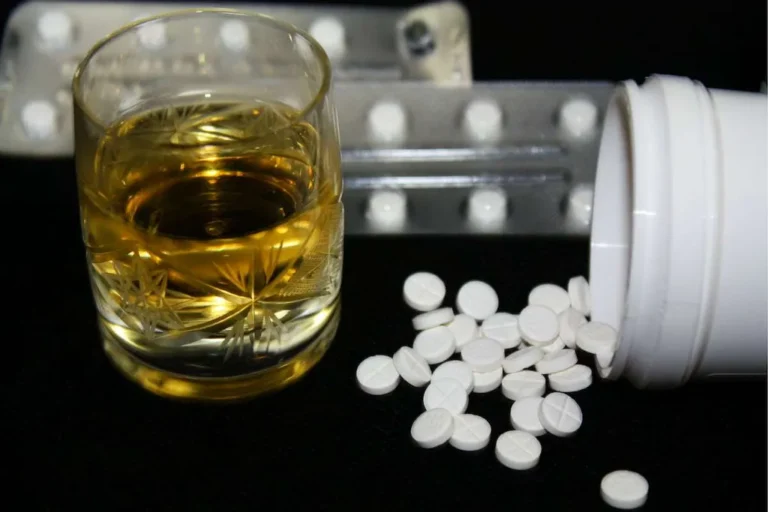
Today, one in four patients in the emergency room is admitted with side effects caused by mixing prescription drugs and alcohol. Such experiments are not as harmless as many think. A glass of wine while taking painkillers or a cocktail during antibiotic therapy leads to unpredictable results. If you’re wondering: Why is it dangerous to mix prescriptions with alcohol? Read our article to know what happens to you when drugs react with alcoholic beverages and how to secure yourself if you’re taking any doctor-prescribed pills.
What Mixing Prescription Drugs and Alcohol Does to Your Body
During treatment, your organism is weakened. Even small doses of spirits are able to amplify the side effects from barely noticeable to extremely harmful.
Alcohol is a central nervous system (CNS) depressant. It hinders brain activity, impedes coordination, and fogs the mind. Pharmaceutical drugs, depending on their type, can also influence the CNS. If you consume these two substances simultaneously, they change the reaction of your organism to the active ingredient. In the best possible scenario, the medication will not have a desired effect, but at worst, it will turn into toxic poison and harm you.
Combining prescription drugs and alcohol makes the kidneys and liver work harder as they have to break down and filter toxins from the body. Such regular practices don’t bring positive outcomes.

Begin your journey to recovery and take back control of your future.
How It Happens in Real Life
Is alcohol a drug that can endanger your health when combined with medications? Definitely yes. Imagine Sarah. She has been prescribed Xanax to lower anxiety. One evening, Sarah decides to meet with friends. She is sure that a couple of shots won’t matter. Within an hour, she feels unusually dizzy, her speech becomes slurred, and she can’t stand still. Ethanol reacted with benzodiazepines and boosted the sedative effects. As a result, the women became far more impaired than expected after cocktails.
Another example is David. He is prescribed to take painkillers after surgery. His brother invites him to a birthday party. After two beers, David notices shallow breathing and calls the doctor in a panic.
These totally different cases illustrate that what seems harmless can quickly escalate into a medical emergency. Polysubstance use is always a risky situation.
Examples of Dangerous Combinations
Regardless of whether you mix prescription drugs and alcohol accidentally or intentionally to amplify the outcome, their negative effects will equally affect you. The majority of alcohol-drug mixtures are safe; however, some combinations are particularly hazardous due to the way strong liquor interferes with the medication’s effects. Let’s explore mixing which medicine is dangerous with alcohol:
- Sedatives. When combined with depressants, strong liquor often makes you feel sleepy and slows respiration. The risk of overdose is very high.
- Painkillers. Alcohol intensifies sedative effects, which depresses breathing and lowers blood pressure. Even over-the-counter pills are not allowed to be used with strong liquor.
- Antidepressants. You can notice that the calming effect has dropped. Panic is increasing.
- Heart pills and anticoagulants. Consuming alcohol with stimulants triggers jumps in blood pressure, heart irregularities, or increased bleeding.
- Antibiotics. Spirits typically reduce the effectiveness or cause nausea, vomiting, and a rapid heartbeat.
Combining opioids with alcohol is the most hazardous combination, as both substances are depressants. This mixture might severely slow the nervous system, leading to extreme drowsiness and confusion. If you’ve ever asked yourself: Why is it dangerous to mix prescriptions with alcohol? Learning about the risks will make it clear.
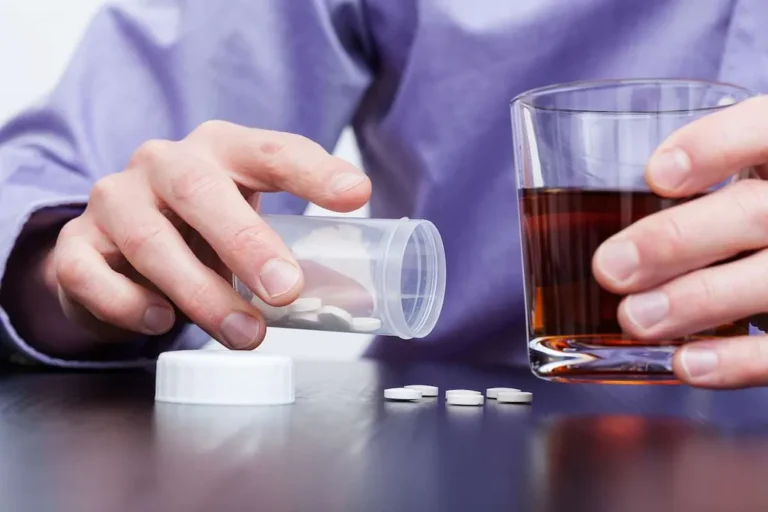
Long-Term Effects You Might Not Expect
All effects of taking together prescription drugs and alcohol can be divided into short-term and long-term ones. The former are often immediate and barely noticeable, such as drowsiness, dizziness, nausea, or mood changes. The long-term consequences of regular polysubstance use are far more serious and sometimes less obvious.
Prolonged use of alcohol with prescription medications changes brain chemistry. This is accompanied by memory loss, reduced concentration, slower reflexes, and cognitive decline. Such effects may persist even after stopping alcohol or medication use.
Mental health deteriorates as well. People often experience heightened panic attacks. Cases of depression were also reported. Alcohol may also reduce the effectiveness of psychiatric medications. Their symptoms become harder.
Another long-term risk is dependence. Over time, the body adapts to both substances, increasing tolerance and creating a cycle of physical and psychological dependence that is difficult to break without professional help.
What to Do if You’ve Accidentally Mixed Prescription Drugs and Alcohol
If you’ve consumed alcohol while taking regulated medications, act quickly. First, assess your condition. Dizziness, nausea, or drowsiness will quickly go away on their own. If you notice severe symptoms (difficulty breathing, confusion, or chest pain), it is better to seek urgent help.
Call your doctor, pharmacist, or 911 to explain exactly what’s happened and tell them what substances you’ve taken and how much. They will guide you on what to do next and whether you need urgent care or detoxification.
Drink plenty of clean water and stay in a safe environment. Don’t drive a car or use advanced equipment, as your coordination and reaction times may be impaired. If you need to go to the emergency room, ask somebody to drive you.

Recovering is a long and challenging process, but you don’t have to be alone. We are here to guide you and offer a safe and substance-free environment to regain control of your life and create a new path for your future.
How to Stay Safe
A responsible attitude to your treatment minimizes possible negative side effects. Openly communicate with your healthcare specialist and ask all questions you have before taking prescribed medicines, including the possibility of mixing prescription drugs with alcohol. Also, it is recommended:
- Read warning labels before taking a new medication.
- Clarify with your doctor or pharmacist if it’s possible to drink while taking the prescribed medications.
- Refrain from drinking alcohol during treatment.
- Don’t stop taking medication or miss pill time just to be able to drink.
- If you plan to go to the party or corporate event, drink non-alcoholic beverages to sidestep adverse consequences.
In this article, we explained why it is dangerous to mix prescriptions with alcohol. Only a conscious attitude to your treatment will help you avoid potential complications. Staying cautious is the best way to safeguard your health.
If you realize that you can’t control yourself and understanding of adverse effects of mixing prescription drugs and alcohol doesn’t stop you, it’s better to visit an addiction specialist and discuss your case with possible ways to minimize withdrawal symptoms and find suitable treatment options.
The first time after inpatient treatment programs is not easy and is accompanied by everyday challenges. To avoid a relapse and strengthen your sobriety, move to a safe place like Eco Sober. Here, you will engage in community life, communicate with like-minded people, and focus on your recovery after drug or alcohol abuse.

About Author