

The Relationship Between Women and Alcohol And Its Health Impact
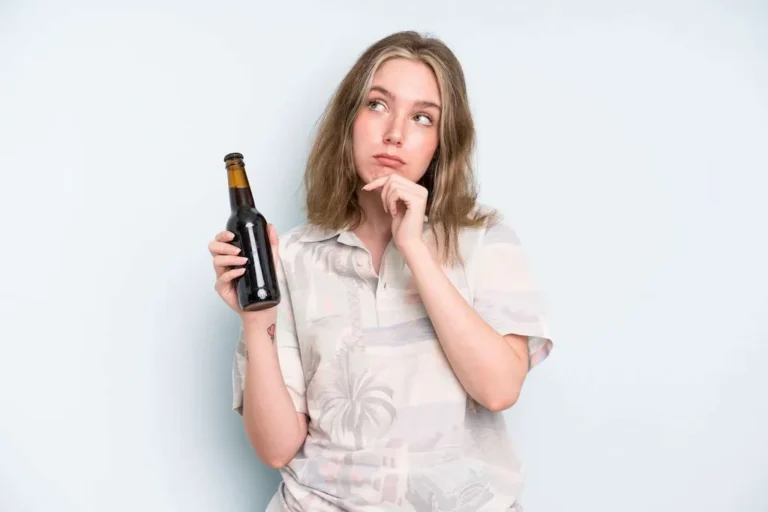
Today’s cultural trends are prone to glamorizing women and alcohol. Alcoholic beverages are often shown as an attribute of social rituals and relaxation. A glass of wine in the bath, champagne at celebrations, or exotic cocktails at the bachelorette party — these moments promote connection or reward. Yet behind that sense of normalcy is hidden the reality of what happens with the woman’s body as it reacts to booze differently from men.
This difference is rooted in biology and physiology, shaping how alcohol interacts with the female body and mind. Our article explains the essence you should know about what happens to your body in case of regular drinking.
Why Alcohol Affects Women Differently Than Men
Why do healthcare specialists say that women and alcohol are a more hazardous combination than many realize? The widespread opinion about equal reaction to ethanol among males and females is a delusion. In real life, if a woman has drunk the same amount of alcohol as a man, she tends to experience stronger effects and face greater health risks. This difference is grounded in biological distinctions between genders.
Nature has determined that women have a higher percentage of body fat and less body water than men. As ethanol dissolves in water, after the same drink, a female will have a higher concentration of alcohol in a bloodstream. This means intoxication occurs faster and lasts longer.
There’s also a difference at the enzyme level. Ladies produce smaller amounts of alcohol dehydrogenase. In simple words, it is the enzyme involved in breaking down alcohol before it reaches the bloodstream. As a result, more alcohol stays in their system, its exposure intensifies, and the liver and heart have to work several times harder.
Hormones have a strong enough effect on the behavior and well-being of women. Also, they determine how women and alcohol interact. Hormonal fluctuations during the menstrual cycle, pregnancy, or menopause change natural reactions. When estrogen is higher, ethanol influence is longer and stronger. In addition, hormonal contraceptives alter the speed of alcohol metabolism.
Such a combination of factors explains why the connection between women and alcoholism goes far beyond the consumed dose. A couple of drinks a day can lead to faster liver damage and a greater likelihood of developing dependence over time.

Begin your journey to recovery and take back control of your future.
Immediate Effects of Alcohol on Women
For many women, alcohol triggers an almost immediate physical response. Such effects are similar to those experienced by men. First, they will feel growing warmth accompanied by redness of the cheeks. Then, lightheadedness, queasiness, or sudden fatigue can worsen your well-being.
Immediate effects aren’t just physical. Your mood and perception are also skewed because alcohol influences emotion and self-control. Women may notice sharper emotional swings. They unwillingly become anxious, irritable, or tearful after drinking.
In women and alcohol tandem, the second one can create a fleeting sense of confidence or ease, especially in the company of others or with unknown people. Such a sense of comfort is very short and pretty insidious. Over time, this booze-confidence cycle can subtly form the pattern to associate confidence with alcohol, making it harder to feel comfortable without a drink in hand.
The Hidden Risks When Women and Alcohol Meet
While short-term effects are easy to notice and stop, the long-term health problems develop silently. Unfortunately, many women underestimate the damage until symptoms appear.
- Liver damage tends to progress faster in women than in men. Her body gets rid of alcohol not so efficiently, and the liver is exposed to higher levels of toxins for longer periods. Alcohol use disorder (AUD) causes fatty liver disease, alcoholic hepatitis, and cirrhosis. The heart is also under attack. Chronic drinking raises blood pressure and weakens the muscle tissue. This increases the risk of heart failure or arrhythmia.
- Cancer risk is also increased. Breast cancer is the most often found type. Alcohol raises estrogen levels and influences cell growth in breast tissue. Beyond breast cancer, the likelihood of liver, throat, and digestive tract cancers is also heightened.
- Reproductive and hormonal balance suffers as well. Alcohol misuse shakes hormone levels, making menstrual cycles irregular and bringing fertility issues and early menopause. If you are pregnant, alcohol might be the cause of fetal alcohol spectrum disorder (FASD).
The connection between women and alcohol is far more complex. Ethanol is able to change brain chemistry, altering serotonin and dopamine levels responsible for mood regulation. It creates splashes of anxiety, depression, and dependency, where emotional lows lead to drinking, and drinking deepens those lows more and more.

The Emotional and Social Impact
Let’s move to a less obvious impact. Women are more emotional and sensitive. They tend to use alcohol as an easy method to escape from stress or loneliness. Yet such a relief comes at a cost.
In the women and alcohol tandem, the latter one starts to affect emotional well-being and relationships. Over time, reliance on alcohol gradually erodes confidence and self-esteem. The effect is opposite. Feelings of guilt or shame progress, reinforcing the very stress that drinking was meant to ease.
Relationships face emotional distancing due to alcohol. It may lead to conflicts, mistrust, or withdrawal from partners or kids.
Culturally, women face added pressure. They have to be ideal mothers and wives. The intersection of women and alcohol reveals serious social issues, including the probability of sexual assault.
Drinking is frequently marketed as empowerment. From “wine o’clock” slogans to social media trends, alcohol is framed as a form of self-care. The result is the normalization of regular drinking while making abstinence feel awkward or isolating. Learning to say no, or choosing sobriety and other ways of relaxation, are the real forms of self-care.
Recognizing When Drinking Becomes a Problem
Not every woman who drinks heavily admits she has a problem. Substance use disorder in women builds gradually, disguised as social drinking or a part of coping habits. Recognizing when alcohol has crossed the line of just casual use is an essential step toward recovery.
Warning signs that the relationship between women and alcohol gets out of control:
- Increasing tolerance for alcohol;
- Hangovers;
- Binge drinking or getting drunk more often than planned.
Emotional signs, such as irritability, anxiety, or guilt after drinking, also point to a growing issue. Some females start hiding their alcohol at home or relying on booze to numb emotions rather than to enjoy social moments.
The line between social drinking and dependence lies in control. Social drinking involves choice; dependence removes it. When alcohol becomes the default solution for stress, celebration, or sadness, it begins to take control of one’s emotional and physical well-being and requires women addiction treatment.
Unfortunately, social stigma complicates the situation and creates barriers to seeking help. Ladies are afraid of judgment and being shamed. In reality, acknowledging a problem and trusting your case to professionals is the most important action a person can take.

Recovering is a long and challenging process, but you don’t have to be alone. We are here to guide you and offer a safe and substance-free environment to regain control of your life and create a new path for your future.
Steps Toward an Alcohol-Free Life
Recovery begins with realizing what happens now with you and what the roots of the problem are. Here are the three basic steps that will help you break free from addiction:
- Look honestly at your current drinking pattern. Then, start making small changes. Gradual steps are bringing great outcomes. Replace alcohol with non-alcoholic drinks you enjoy. Sleep at least 8 hours and eat healthy food to support your body. When facing a women and alcohol problem, first you have to identify emotional triggers leading to drinking and replace them with adequate responses. In this task, practicing mindfulness or writing down thoughts will help you.
- Try new ways to relax. Find activities bringing joy and calm. It might be sport, listening to audiobooks, dancing, singing, or spending time in nature. Such activities boost mood and energy in a neutral way and without any side effects.
- Find a like-minded community and new friends. Active communication with people who have experienced the same is a sort of motivation. Sharing your own stories and speaking openly about emotions and feelings helps you live through your pain. Attend support group meetings or join an addiction rehab for women. You will feel less isolated and more empowered.
So, does alcohol affect women more than men? Definitely, yes. The connection between women and alcohol is shaped by gender physiology, emotional differences, and social culture. Being part of society doesn’t mean to be led by trends or to depend on others’ opinions; it means having the confidence to make choices that align with your own well-being, even when they go against social expectations.

About Author